Gravity Drop
Fall through a shaft of solid platforms while a rising hazard line chases you down.
Physics games split naturally into six families, based on which property of motion you have to manage. Each category below has five original games and a full explanation of what makes it distinct.
Games where the pull of the field is the main thing you have to manage — falling, floating, flipping and orbiting.
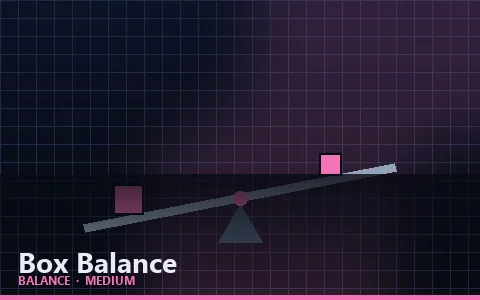
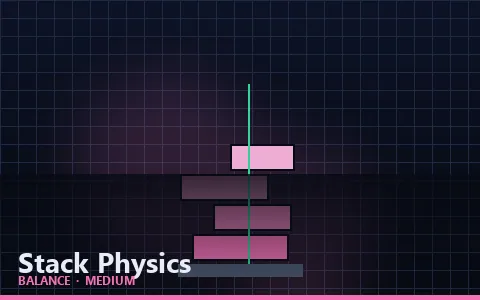
5 gamesStacking, tilting and building — games decided by where the centre of mass sits relative to the base holding it up.
5 gamesLaunching, arcing and ricocheting — games where the shot leaves your hands and physics decides the rest.
5 gamesImpacts, chain reactions and everything that happens when one moving object meets another.
5 gamesRolling, sliding, swinging and drifting — games about building speed and then not wasting it.
5 gamesSet up the conditions, hit go, and let the simulation resolve it — puzzles solved by arranging forces rather than by reflexes.
5 gamesGames where the pull of the field is the main thing you have to manage — falling, floating, flipping and orbiting.
Fall through a shaft of solid platforms while a rising hazard line chases you down.
Thread a probe between gravity wells, collecting rings without crashing or escaping.
Climb a shaft of spires using heat, venting and whatever the wind is doing.
Stacking, tilting and building — games decided by where the centre of mass sits relative to the base holding it up.
Launching, arcing and ricocheting — games where the shot leaves your hands and physics decides the rest.
Impacts, chain reactions and everything that happens when one moving object meets another.
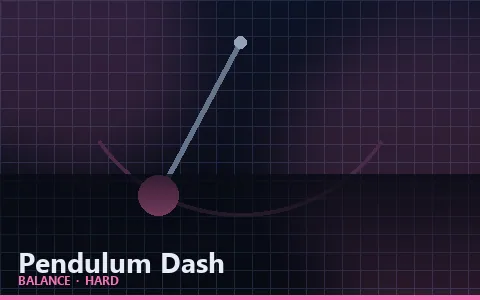
Rolling, sliding, swinging and drifting — games about building speed and then not wasting it.
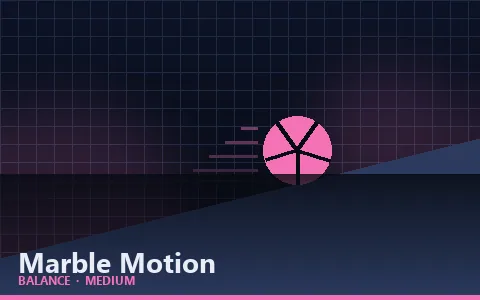
Roll a heavy sphere over hills and gaps, using downhills to earn the next climb.
The same run, over six surfaces. Grip decides how fast you can go and how fast you can stop.
Set up the conditions, hit go, and let the simulation resolve it — puzzles solved by arranging forces rather than by reflexes.
A sandbox with a job to do: spawn, flick, change gravity, fill the collector.
A corridor of swinging blades, each on a different rod. Walk through in rhythm.
Five stages, one physical idea each: gravity, bounce, momentum, balance, projectile.
The categories are not genres in the marketing sense. They describe what the simulation is asking you to control, which turns out to be a far more useful way to group physics games than setting or art style.
A player who enjoys momentum games is almost always enjoying the same thing across all five: the feeling of spending speed well. Someone who finds balance games tense is responding to a specific, shared property — that failure is visible several seconds before it happens.
Grouping this way also means the skills transfer inside a category. Understanding restitution through one projectile game genuinely makes the other four easier, which is not true of categories built around theme.